
 English
 Español
 Portugues
 Pусский
 Deutsch
 한국어
한국어 العربية
 Italiano
 Svenska
 ไทย
ไทย Indonesia
 Melayu
 Tiếng Việt
 қазақ
қазақ বাংলা
বাংলা українська
 norsk
norsk Filipino
 o'zbek

Dikey Torna
Vertical Lathe: Overview and Applications A vertical lathe, also known as a vertical turning lathe (VTL), is a specialized machine tool designed for machining large, heavy, or asymmetrical workpieces. Unlike conventional horizontal lathes, a vertical lathe positions the workpiece vertically, allowing gravity to assist in securing the part, which enhances stability and precision during machining. Design and Working Principle The primary components of a vertical lathe include a rotating table (chuck), a vertical column, a crossrail, and tool heads. The workpiece is mounted on the horizontal rotary table, which spins around a vertical axis. The cutting tools, mounted on the tool heads, move along the X, Y, and Z axes to perform turning, facing, grooving, boring, and threading operations. Key features of vertical lathes include: - Sturdy Construction: The vertical orientation minimizes deflection, making it ideal for heavy-duty machining. - Large Workpiece Capacity: Suitable for machining large diameters and heavy components like turbine rotors, gears, and flanges. - Precision and Stability: The vertical setup reduces vibration, ensuring high accuracy. - Automation Compatibility: Many modern VTLs integrate CNC controls for automated, high-efficiency operations. Applications Vertical lathes are widely used in industries requiring the machining of large, heavy, or complex parts, including: - Energy Sector: Manufacturing turbine components, generator rotors, and valve bodies. - Aerospace: Producing landing gear parts, engine casings, and structural components. - Heavy Machinery: Machining large gears, bearings, and hydraulic components. - Transportation: Fabricating railway wheels, brake discs, and marine propulsion parts. Advantages Over Horizontal Lathes - Better Workpiece Handling: The vertical setup simplifies loading/unloading of heavy parts. - Improved Chip Evacuation: Chips fall away naturally, reducing interference with machining. - Space Efficiency: Requires less floor space compared to horizontal lathes for similar-sized workpieces. Conclusion Vertical lathes are indispensable in heavy industrial machining, offering superior stability, precision, and efficiency for large-scale components. Their versatility and robust design make them a preferred choice in sectors where conventional horizontal lathes fall short. With advancements in CNC technology, vertical lathes continue to evolve, meeting the demands of modern manufacturing.
ürün
sınıflandırma:
Dikey Torna
-
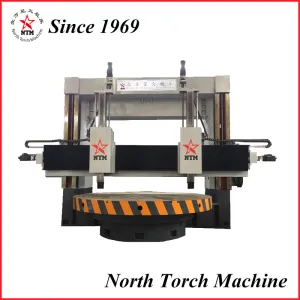
Çift Kolonlu Dik Torna
Sınıflandırmaları: Dikey TornaGörünümler: 43Sayı:Bırakma süresi: 2025-11-25 13:21:40Çift Kolonlu Dikey Torna Tezgahı: Kapsamlı Bir Genel Bakış Çift Sütunlu Dikey Torna, ağır işleme operasyonları için tasarlanmış, oldukça gelişmiş ve çok yönlü bir takım tezgahıdır. Olağanüstü stabilitesi, hassasiyeti ve büyük ve karmaşık iş parçalarını işleme yeteneği nedeniyle havacılık, enerji, otomotiv ve ağır makine imalatı gibi endüstrilerde yaygın olarak kullanılmaktadır. Bu makale, Çift Kolonlu Dikey Torna Tezgahının temel özelliklerini, avantajlarını, uygulamalarını ve teknolojik gelişmelerini araştırarak modern imalattaki öneminin ayrıntılı bir şekilde anlaşılmasını sağlar. 1. Çift... -
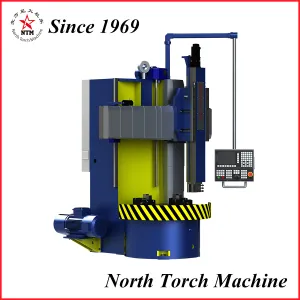
Dikey Torna
Sınıflandırmaları: Dikey TornaGörünümler: 57Sayı:Bırakma süresi: 2025-11-26 13:35:41Dikey delik işleme tezgahı veya VTL olarak da bilinen Dikey Torna, geleneksel yatay tornalara montajı zor olan büyük, ağır ve kısa iş parçalarını işlemek için özel olarak tasarlanmış, ağır endüstriyel imalatın temel taşı olarak duruyor.
Haber
sınıflandırma:
-
[Industry news]Ağır torna tezgahı – Çalışma sırasında stabilite nasıl sağla...
2025-11-26 09:11:25
Dava
sınıflandırma:
Arama sonucu yok!
Video
sınıflandırma:
Arama sonucu yok!
İndir
sınıflandırma:
Arama sonucu yok!
İşe Alım
sınıflandırma:
Arama sonucu yok!
Önerilen ürünler
-
NEWS
Çift Kolonlu Dik Torna
Daha fazla bilgi



 Telefon